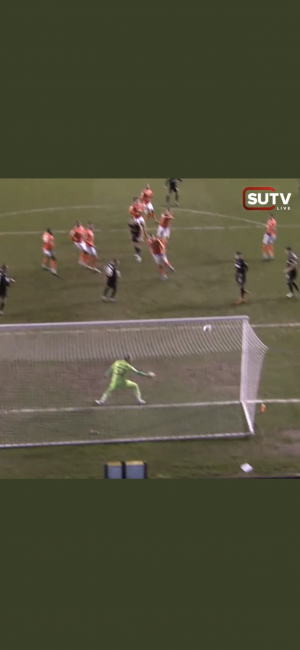
LAWS OF THE GAME & FA RULES
LAW 11: OFFSIDE
IFAB Laws of the Game 2021-22
Shares
Expand
Law 11 Offside
Offside position
It is not an offence to be in an offside position.
A player is in an offside position if:
- any part of the head, body or feet is in the opponents’ half (excluding the halfway line) and
- any part of the head, body or feet is nearer to the opponents’ goal line than both the ball and the second-last opponent
The hands and arms of all players, including the goalkeepers, are not considered. For the purposes of determining offside, the upper boundary of the arm is in line with the bottom of the armpit.
A player is not in an offside position if level with the:
- second-last opponent or
- last two opponents
Offside offence
A player in an offside position at the moment the ball is played or touched* by a team-mate is only penalised on becoming involved in active play by:
- interfering with play by playing or touching a ball passed or touched by a team-mate or
- interfering with an opponent by:
- preventing an opponent from playing or being able to play the ball by clearly obstructing the opponent’s line of vision or
- challenging an opponent for the ball or
- clearly attempting to play a ball which is close when this action impacts on an opponent or
- making an obvious action which clearly impacts on the ability of an opponent to play the ball
or
- gaining an advantage by playing the ball or interfering with an opponent when it has:
- rebounded or been deflected off the goalpost, crossbar or an opponent



 V.
V.