
Ldn_Rd_Blades
Throbbing Member
- Joined
- May 7, 2016
- Messages
- 4,081
- Reaction score
- 9,722
Did he suffer a concussion?
if so it’s a minimum of 6 days out isn’t it?
if so it’s a minimum of 6 days out isn’t it?

Follow along with the video below to see how to install our site as a web app on your home screen.
Note: This feature may not be available in some browsers.
All advertisments are hidden for logged in members, why not log in/register?

Think that only applies to professional clubs not the dog and duck.Did he suffer a concussion?
if so it’s a minimum of 6 days out isn’t it?


 UTB
UTB
It’ll be a good reason for a points deduction when quality for EuropeHe posted on Instagram or Twitter that the head was better & he was ready for Leicester.
 our back 3/5/6 need him.

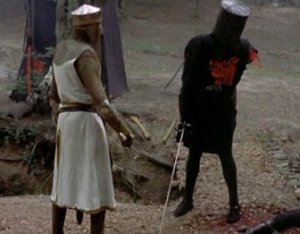
It will take more than decapitation to stop the BashamBauer.

Is that a yesReturn to play guidelines following concussion:
- Where there is a head injury, but no loss of consciousness, an on-field or touchline assessment will take place using the Pocket Concussion Recognition Tool (Pocket CRT). This should be a standard part of any pitch-side medical kit. The decision whether the player is removed from the field should be made by the attending doctor.
- If there is any suspicion of the payer having sustained a concussion, the player must be removed from the field of play, and not allowed to return.
- If the player has been removed from the field of play because of a suspected or confirmed concussion, they should be monitored until deemed fit and able to leave the venue. If in doubt, further opinion from local hospital services should be sought via the accident and emergency department.
- If allowed home, the player should not be allowed to drive, and should not be left alone, but with a responsible adult who is instructed that should there be any deterioration in the players’ condition, urgent medical attention must be sought.
- The medical attendant must ensure that the responsible adult is in possession of all contact details of that medical attendant.
- If there is no medical attendant present, and if there is any suspicion of concussion, the player must be removed from the field of play and not allowed to return. In this case medical advice should be sought from the accident and emergency department.
Concussion is a brain injury. There is no blood test or scan currently available that can diagnose it. The diagnosis is made on the basis of history and examination. Return to play after head injury/concussion should be treated as with any other injury. A period of rest, which, in this case, includes mental activity, should be followed by a gradual return to play, closely monitored by medical staff. Serial evaluations using SCAT 3, or whichever pre-season assessment was employed, should be used as an objective adjunct of measure of recovery.
- The player should undergo a period of physical and mental rest for at least 24 hours after the injury (which includes the playing of video games or similar).
- The physical return to play ‘steps’ should follow the course shown below, only progressing to the next step if there are no persistent/recurrent concussion symptoms, such as such as headache, feeling in a fog, disturbed or blurred vision, sleep disturbance, or unusual emotional behaviour
- This process should also include serial SCAT 3 assessments, or assessment with whichever pre-season neuro-psychological assessment tool was employed.
- The chosen neuro-psychological testing should be carried out every 48 hours after the injury, until return to play, and should show a gradual return to baseline. Clinical assessment should be made daily, whilst following the rehabilitation programme as outlined below.
- Any recurrence or persistence of concussion symptoms such as headache, feeling in a fog, disturbed or blurred vision, sleep disturbance, or unusual emotional behaviour are signs that the player should return to the previous ‘return to play step’.
- An improvement in the serial assessments, both clinical and neuro-psychological, whilst increasing the players’ work load, is an indication that they are ready to progress to the next step.
The physical activity ‘steps’ of rehabilitation should follow this protocol.
a) No activity
b) Light aerobic exercise
c) Sports specific exercise
d) Non-contact training drills
e) Full contact practice
f) Return to play
Each of these steps takes at least one day- The player should not be allowed to return to play for at least 6 days after the injury (it often takes longer than this) and in strict accordance with the return to play guidelines (above). This will include a return to baseline of the SCAT 3, or web-based, neuro-psychological criteria. A baseline profile will be available from the pre-season assessment.
- The player should be examined, and receive the ‘all clear’ from the club medical officer before returning to
So long as he doesn’t lose consciousness then I don’t think the protocols apply.

Is there a spot goes to concussion classes version of thisReturn to play guidelines following concussion:
- Where there is a head injury, but no loss of consciousness, an on-field or touchline assessment will take place using the Pocket Concussion Recognition Tool (Pocket CRT). This should be a standard part of any pitch-side medical kit. The decision whether the player is removed from the field should be made by the attending doctor.
- If there is any suspicion of the payer having sustained a concussion, the player must be removed from the field of play, and not allowed to return.
- If the player has been removed from the field of play because of a suspected or confirmed concussion, they should be monitored until deemed fit and able to leave the venue. If in doubt, further opinion from local hospital services should be sought via the accident and emergency department.
- If allowed home, the player should not be allowed to drive, and should not be left alone, but with a responsible adult who is instructed that should there be any deterioration in the players’ condition, urgent medical attention must be sought.
- The medical attendant must ensure that the responsible adult is in possession of all contact details of that medical attendant.
- If there is no medical attendant present, and if there is any suspicion of concussion, the player must be removed from the field of play and not allowed to return. In this case medical advice should be sought from the accident and emergency department.
Concussion is a brain injury. There is no blood test or scan currently available that can diagnose it. The diagnosis is made on the basis of history and examination. Return to play after head injury/concussion should be treated as with any other injury. A period of rest, which, in this case, includes mental activity, should be followed by a gradual return to play, closely monitored by medical staff. Serial evaluations using SCAT 3, or whichever pre-season assessment was employed, should be used as an objective adjunct of measure of recovery.
- The player should undergo a period of physical and mental rest for at least 24 hours after the injury (which includes the playing of video games or similar).
- The physical return to play ‘steps’ should follow the course shown below, only progressing to the next step if there are no persistent/recurrent concussion symptoms, such as such as headache, feeling in a fog, disturbed or blurred vision, sleep disturbance, or unusual emotional behaviour
- This process should also include serial SCAT 3 assessments, or assessment with whichever pre-season neuro-psychological assessment tool was employed.
- The chosen neuro-psychological testing should be carried out every 48 hours after the injury, until return to play, and should show a gradual return to baseline. Clinical assessment should be made daily, whilst following the rehabilitation programme as outlined below.
- Any recurrence or persistence of concussion symptoms such as headache, feeling in a fog, disturbed or blurred vision, sleep disturbance, or unusual emotional behaviour are signs that the player should return to the previous ‘return to play step’.
- An improvement in the serial assessments, both clinical and neuro-psychological, whilst increasing the players’ work load, is an indication that they are ready to progress to the next step.
The physical activity ‘steps’ of rehabilitation should follow this protocol.
a) No activity
b) Light aerobic exercise
c) Sports specific exercise
d) Non-contact training drills
e) Full contact practice
f) Return to play
Each of these steps takes at least one day- The player should not be allowed to return to play for at least 6 days after the injury (it often takes longer than this) and in strict accordance with the return to play guidelines (above). This will include a return to baseline of the SCAT 3, or web-based, neuro-psychological criteria. A baseline profile will be available from the pre-season assessment.
- The player should be examined, and receive the ‘all clear’ from the club medical officer before returning to

Not got a clue.Is that a yes

Is that a yes
He returned to the field of play, played for a few minutes I think so mustn't have been concussed, otherwise he wouldn't have.


All advertisments are hidden for logged in members, why not log in/register?


