
HodgysBrokenThumb
Well-Known Member
- Joined
- Oct 19, 2016
- Messages
- 8,267
- Reaction score
- 16,902
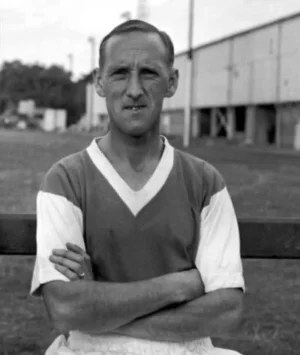
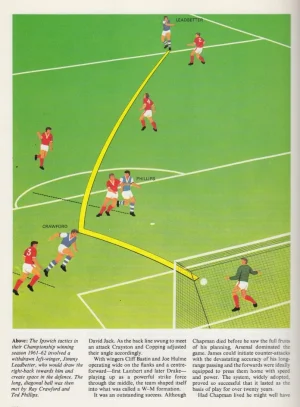
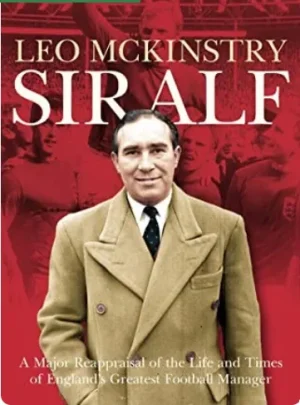
After goalkeepers, wingers are the players that most fascinate me. Possibly because for both, the dividing line between genius and awful is ever-present. In my early days of watching United, we had Ringstead, Hawksworth, Grainger, Lewis, Simpson, Allchurch, for example, all capable of match-winning performances. It was wonderful to watch England win the World Cup in 1966, but it niggled me slightly that Alf Ramsey played without wingers. Wingers have returned, of course, but with all sorts of different responsibilities, and it was our 3 goals against Oxford on Tuesday that got me thinking about how important using the full width of the pitch is in creating goals.
1. Burrows, out on the right having taken a corner, received an excellent pass from Arblaster, and had the time, space ,and skill to pick out Peck in the middle for a well-crafted goal.
2. With Brooks hobbling and apparently out of it, Cannon took over that position, did really well to get to the by-line and pull the ball back to the hobbling Brooks, who improvised his winger-cutting-inside skills on one leg, and scored a beauty.
3. Hamer, sort of playing on the left-wing, picked out Ogbene, who was coming inside and chested the ball into the space behind his defender, and then scored with deceptive ease.
Excellent wing play by Burrows, Cannon, Brooks, Hamer, and Ogbene. In the 1950s and early 1960s, the wingers patrolled the touch line from the halfway line to the goal-line, and generally stayed out on the wing. Now all sorts of players can operate from out wide, but Tuesday was a reminder that the space out on the wings , if used well, is one of the most productive sources of goals. Perhaps some things never change.
1. Burrows, out on the right having taken a corner, received an excellent pass from Arblaster, and had the time, space ,and skill to pick out Peck in the middle for a well-crafted goal.
2. With Brooks hobbling and apparently out of it, Cannon took over that position, did really well to get to the by-line and pull the ball back to the hobbling Brooks, who improvised his winger-cutting-inside skills on one leg, and scored a beauty.
3. Hamer, sort of playing on the left-wing, picked out Ogbene, who was coming inside and chested the ball into the space behind his defender, and then scored with deceptive ease.
Excellent wing play by Burrows, Cannon, Brooks, Hamer, and Ogbene. In the 1950s and early 1960s, the wingers patrolled the touch line from the halfway line to the goal-line, and generally stayed out on the wing. Now all sorts of players can operate from out wide, but Tuesday was a reminder that the space out on the wings , if used well, is one of the most productive sources of goals. Perhaps some things never change.